If your child would rather do almost anything than pick up a book, you are not alone, and it is not too late. Most “reluctant readers” are not children who hate reading. They are children who have not yet found the right book, at the right level, at the right moment. Here are twelve practical things that genuinely help, from tired parents who have tried them.
1. Let them choose (yes, even comics)
Children read more when they choose what they read. Comics, graphic novels, joke books, football annuals and books about Minecraft all count. Reading is reading, and a child who finishes a comic has done something real. Once they enjoy finishing books, they will move on to longer ones by themselves. Our comic books for ages 5+ and 7+ were written for exactly this moment.
2. Make it easy to finish
Nothing builds a reader like the feeling of finishing a book. Short chapters, big pictures and gripping endings all help. If a book is a struggle, it is fine to put it down and try another one. The goal is momentum, not stamina.
3. Read aloud to them, even when they can read
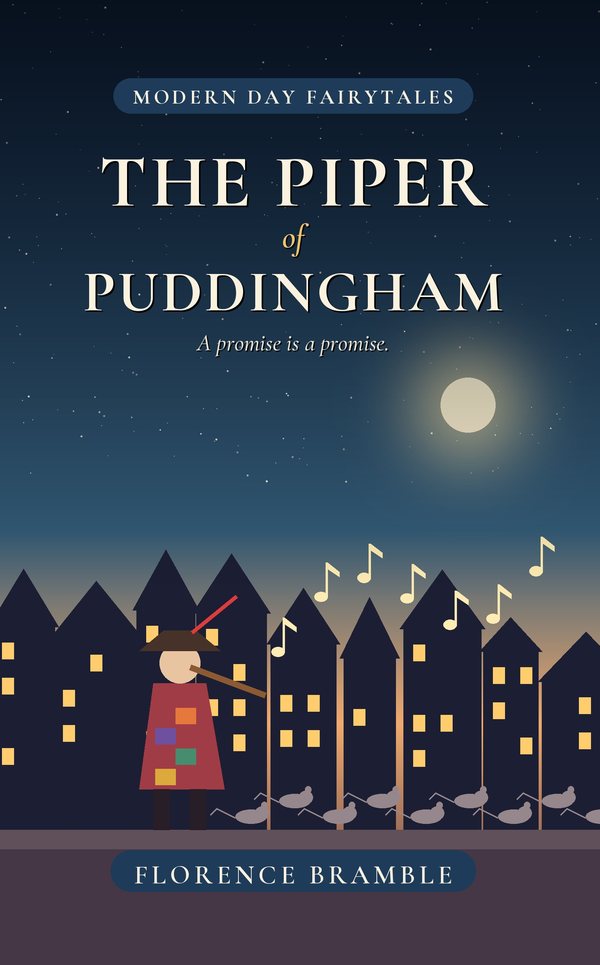
Reading aloud is not just for toddlers. Hearing a story read well shows children how exciting books can be, builds vocabulary and gives them stories that are a little above their own reading level. A chapter a night is perfect. Our Modern Day Fairytales are written in ten bedtime-sized chapters for this reason.
4. Follow the obsession
Dinosaurs? Detectives? Space? Horses? Start there. A child who loves dinosaurs will happily read a dinosaur detective story, like Rex Marlowe: Dino Detective, long before they will read a book they have been told is good for them.
5. Try a mystery
Mysteries are brilliant for reluctant readers because every chapter asks a question the reader wants answered. Clues, suspects and twists keep children turning pages. For older children and teens, a proper whodunnit like The Last Lesson can be the book that changes everything.
6. Keep books everywhere
In the car, by the bed, in the bathroom, in the bag. Children read what is in front of them, especially when they are bored. Make sure the most tempting thing within reach is sometimes a book.
7. Be seen reading
Children copy what they see. Ten minutes with a book, a magazine or a newspaper, where they can see you, says more than any lecture about reading.
8. Don’t make it a punishment or a test
If reading always comes with questions, worksheets or “just one more page before you can play”, it starts to feel like homework. Let some reading be purely for fun, with no strings attached.
9. Use series
When a child loves one book, the next book in a series is the easiest yes in the world. They already know the characters, so the first pages are effortless. That is why all of our books come in series.
10. Try audiobooks and read-along
Listening to a story while following the words, or simply enjoying an audiobook in the car, still builds vocabulary and a love of stories. It is not cheating.
11. Make time, not rules
A regular, cosy reading time (in bed, after dinner, on a Sunday morning) works better than a strict number of minutes. Keep it short and pleasant, and stop while they still want more.
12. Celebrate finishing, not difficulty
Praise the finishing of books, any books, rather than how hard or “worthy” they are. A child who is proud of finishing five comics will soon want to finish a novel.
Quick picks by age
- Ages 3+: colouring books with friendly characters to point at and talk about.
- Ages 4–8: Modern Day Fairytales, to read aloud one chapter a night.
- Ages 5+: funny first comics like Bin Bot and Prickles vs Pinch.
- Ages 7+: mystery comics like Rex Marlowe and Ivy Quill & Boo.
- Ages 12+: the Maya Okoro Mysteries, a five-book teen murder-mystery series.
Frequently asked questions
At what age should I worry that my child doesn’t like reading?
Children develop at very different speeds, and many late starters become keen readers. If you are worried about how your child is reading (for example, they find decoding words very hard), talk to their teacher. If they can read but don’t want to, the tips above are a good place to start.
Do comics and graphic novels count as real reading?
Yes. Comics build vocabulary, comprehension and the habit of finishing books. Many keen readers started with comics.
How long should children read for each day?
There is no magic number. A short, enjoyable reading time every day is better than a long, stressful one once a week. Ten to twenty minutes is a good start.
What is the best way to start?
Find one book your child genuinely wants to read, and help them finish it. Then find the next one.
Leave a Reply